How Apple Stock Ownership Can Change Investor Expectations
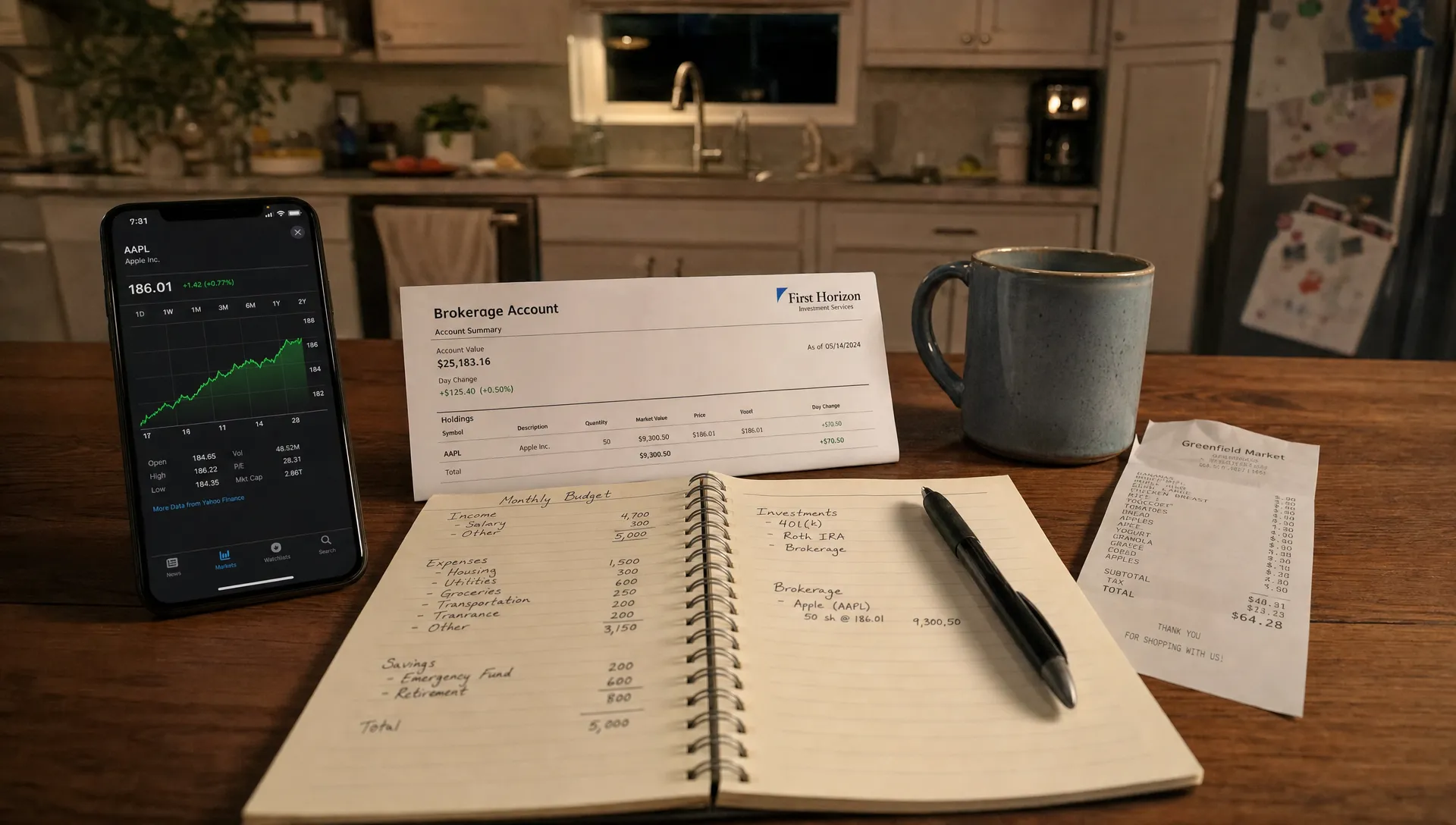
Apple can be a great business and a difficult stock to own at the same time. That tension is exactly why apple stock ownership can change investor expectations. When you buy AAPL, you are not just buying a brand, a product cycle or a view on iPhone demand. You are buying into a mature mega-cap with a specific shareholder base, capital return policy, valuation history and market role.
For retail investors, the key question is not whether Apple is “good.” It is what kind of outcome Apple can reasonably add to your portfolio from here. Ownership changes the question from admiration to allocation.
How apple stock ownership shifts investor expectations
Many investors first approach Apple as consumers. They know the products, follow the keynote events and understand the ecosystem at an everyday level. That familiarity can be useful, but it can also create expectations that are too simple for a publicly traded stock.
Owning shares means your return depends on per-share earnings, valuation, capital allocation, market sentiment and your purchase price. Apple could keep selling excellent products and still deliver modest stock returns if the starting valuation is high or growth slows. The reverse can also happen when expectations are low and cash generation remains strong.
That is why Apple stock ownership should push investors to think in probabilities rather than slogans. The investment case is less about whether Apple is a famous company and more about whether its future cash flows, buybacks and risk profile justify your position size.
A useful mental shift is to treat AAPL as one part of a portfolio system. If you already own index funds, you may have meaningful indirect exposure to Apple before buying a single individual share.
Expect a mature compounder, not an early-stage growth story
Apple is no longer a small company trying to prove product-market fit. It is one of the largest public companies in the world, with a global installed base, recurring services revenue and a long record of profitability. That maturity changes the return setup.
The biggest mistake in apple stock ownership is expecting every future decade to resemble Apple’s earlier high-growth decades. A business can remain exceptional while its stock delivers returns closer to the market than to its own past. Size matters because new growth has to move a much larger revenue and earnings base.
This does not make Apple unattractive. It means expectations should be tied to realistic drivers: iPhone replacement cycles, services margins, wearables, emerging categories, operating discipline and shareholder returns. Investors should also separate business quality from stock upside. High quality can protect downside, but it does not automatically create bargain-level returns.
A simple expectation map
| Investor expectation | What ownership should make you ask |
|---|---|
| “Apple is a great company” | Is the stock priced for great results already? |
| “Everyone uses Apple products” | How much growth is still available from the installed base? |
| “Apple buys back stock” | Are buybacks creating value at today’s valuation? |
| “AAPL feels safe” | How much concentration risk does it add to my portfolio? |
| “Institutions own it” | Are large holders stabilizing demand or crowding the trade? |
The shareholder base can shape how the stock trades
Apple stock ownership also matters because of who else owns the shares. Large index funds, active managers, pensions, hedge funds and retail investors all interact with the stock differently. A long-term index fund may hold Apple because it is a major benchmark component. A hedge fund may trade around earnings. A retail investor may hold because Apple products feel familiar.
This mix can affect expectations around volatility. A large institutional base may support liquidity, but it does not remove downside risk. If broad market funds experience outflows, mega-cap stocks can feel pressure even when company-specific news is limited. If active managers become underweight Apple, good results can trigger catch-up buying.
Ownership data is not a crystal ball, but it helps investors understand crowding, sponsorship and potential pressure points. Public filings are a starting point. Apple’s investor relations site publishes Apple’s SEC filings, and institutional investors report many U.S. equity holdings through Form 13F filings.
If you want a deeper checklist for interpreting holders, float, insider activity and institutional signals, Upside’s guide to stock ownership data every investor should track is a useful next step.
Buybacks make per-share math central
Apple has returned large amounts of capital to shareholders over time through share repurchases and dividends. For investors, this makes per-share economics especially important. A company can grow earnings per share even if total net income grows more slowly, provided it reduces share count at attractive prices.
With apple stock ownership, buybacks should change the way you evaluate management’s capital allocation. Repurchases are most powerful when shares trade below intrinsic value. They are less powerful when a stock is expensive, even if the headline dollar amount looks impressive.
That does not mean investors should dislike buybacks. It means they should ask whether Apple is using excess cash in a way that improves long-term per-share value. Compare buybacks with dividends, reinvestment, acquisitions and balance sheet flexibility. A mature company with high cash flow needs disciplined capital allocation because investors often expect both stability and continued compounding.
Buybacks also influence investor behavior. Some shareholders hold Apple partly because they expect ongoing repurchases to support earnings per share. If that expectation changes, due to lower cash flow, regulatory pressure or different capital priorities, the stock’s valuation could adjust.
Governance expectations are different when millions own the company
Another expectation change tied to apple stock ownership is governance. Apple has a broad shareholder base, so no ordinary retail investor controls the company. Your ownership gives you economic exposure and voting rights, but it does not give you direct control over product strategy, hiring, supply chains or capital spending.
That distinction matters. Public companies exist in a shareholder structure where management, the board and investors interact through voting, disclosures and performance expectations. This is very different from mission-led organizations outside the public markets. For example, Ons Plekske’s community-based day program is organized around support, learning, work, sport and daily activities rather than public shareholder returns. Apple, by contrast, is judged by investors through growth, margins, cash flow and governance.
Retail investors should understand what they can and cannot influence. You can vote proxies, assess board accountability and decide whether management’s incentives align with shareholders. You cannot expect ownership of a few shares to create operational control.
For a broader explanation of what rights and limits come with owning shares, Upside’s article on what share ownership means for everyday investors covers the basics without turning ownership into something it is not.
Portfolio expectations matter more than stock opinions
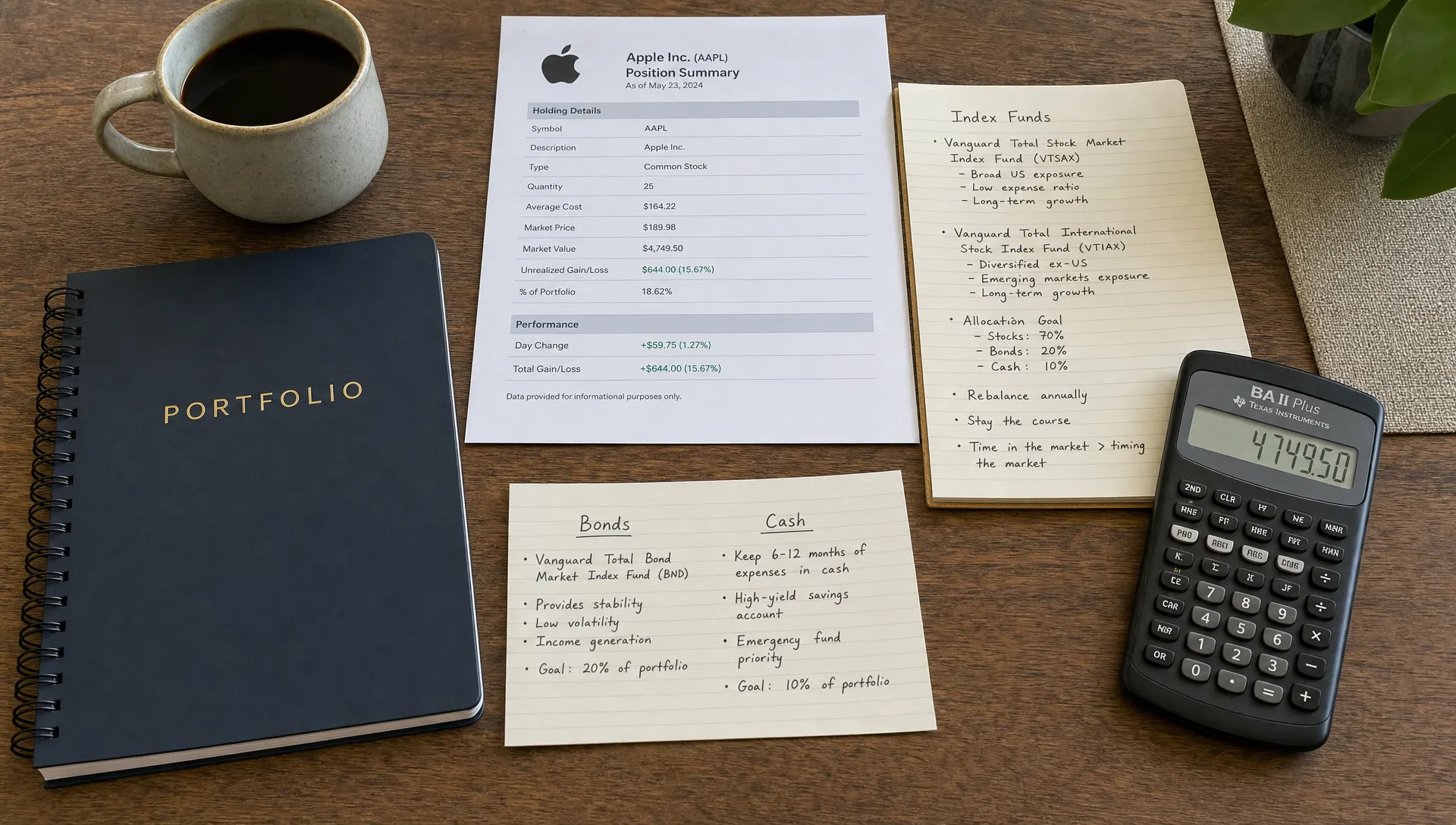
For most retail investors, apple stock ownership is also a portfolio construction question. Apple may already be a top holding inside S&P 500 funds, total market ETFs, growth funds and technology funds. Adding individual AAPL shares can increase concentration more than it first appears.
Concentration is not automatically bad. Many strong investors hold concentrated positions because they understand the risk and have conviction. The problem is accidental concentration, where an investor owns Apple directly, through multiple ETFs and through retirement accounts without realizing how large the combined exposure has become.
A practical Apple position review should include three questions. First, what percentage of your total portfolio is exposed to Apple directly and indirectly? Second, how much would a 25 percent decline in AAPL affect your net worth? Third, would you still want the same position if Apple underperformed the market for three years?
These questions help turn a popular stock into a measurable risk. If the answers make you uncomfortable, the issue may not be Apple’s business. It may be position sizing.
Benchmarking Apple against real investor behavior
The practical question is not whether apple stock ownership is common. It is whether your Apple exposure fits your goals, risk tolerance and expected return. One investor may use AAPL as a long-term core holding. Another may avoid it because their index funds already provide enough exposure. A third may trade around momentum, earnings revisions or relative strength.
This is where comparing against verified investor behavior can be useful. Upside Invest helps retail investors see what verified investors are buying, holding and outperforming with, while keeping profiles private and anonymous. Instead of relying only on headlines or social media conviction, you can compare portfolio allocations, track trends and evaluate performance metrics such as returns and Sharpe ratios.
If you are building a repeatable research process, start with a clear ownership profile. Upside’s guide to building an ownership profile for any stock can help you look beyond the ticker and understand who owns the company, how ownership is changing and what that may imply.
Frequently Asked Questions
Does owning Apple stock mean I own part of Apple? Yes, owning Apple shares gives you an equity claim in the company. You have economic exposure to Apple’s results and may have voting rights, but you do not directly own Apple’s factories, cash, intellectual property or products.
Why does Apple’s ownership structure matter to retail investors? Ownership structure can reveal who influences demand for the stock, how much institutional sponsorship exists and whether your own exposure may be more concentrated than you realize through funds and direct shares.
Can Apple stock still outperform if it is already so large? It can, but the path is different from Apple’s earlier decades. Future outperformance likely depends on earnings durability, services growth, margins, buybacks, valuation discipline and market expectations rather than explosive early-stage growth.
Should I buy Apple if I already own an S&P 500 ETF? Not automatically. Many broad U.S. index funds already include Apple as a major holding. Before buying individual shares, check your total direct and indirect exposure so you understand the concentration you are adding.
How often should I review my Apple position? A quarterly review is reasonable for many long-term investors, especially around earnings, annual filings and major portfolio changes. The goal is not to react to every headline, but to confirm that your thesis and position size still make sense.
Use ownership to set better expectations
Apple can belong in a serious portfolio, but it should not be held on brand loyalty alone. Ownership should make you more specific. What return are you expecting? What valuation supports that return? How much Apple do you already own through funds? What would make you reduce, add or hold?
Apple stock ownership is most useful when it forces that discipline. If you can define the role AAPL plays in your portfolio, compare it with real investor behavior and track whether the thesis is improving or weakening, you are no longer just following a famous company. You are managing an investment.
Upside Invest helps make that process more transparent by showing anonymous, verified portfolio data across stocks, funds and crypto. Use it to benchmark your Apple exposure, spot allocation trends and make decisions with better context instead of louder opinions.